
Top 10 High-Touch Areas That Should Be Cleaned Daily
Maintaining hygiene in commercial and residential spaces has become a core requirement in modern facility management practices. High-touch surfaces are among the most overlooked yet critical contributors to the spread of germs, bacteria, and viruses. These surfaces are contacted repeatedly throughout the day by multiple individuals, making them key points of contamination if not cleaned properly. A structured cleaning routine focused on these areas ensures a healthier indoor environment and supports long-term safety for occupants. Regular monitoring and scheduled disinfection further help in maintaining consistent hygiene standards across all operational hours.
In today’s hygiene-conscious environment, we must recognize that overall cleanliness is only as strong as its most frequently touched surfaces. Even advanced cleaning systems fail to deliver full protection if high-contact points are ignored. Door handles, workstations, shared devices, and restroom fixtures continuously accumulate contaminants through human interaction. When we prioritize these areas in daily cleaning schedules, we significantly reduce infection risks and improve overall facility hygiene standards. This also enhances occupant confidence and supports a more productive and comfortable environment.
A proactive approach helps us maintain compliance, strengthen trust, and create safer environments across workplaces, public spaces, and shared facilities. Understanding the top high-touch areas allows us to implement smarter cleaning strategies that deliver consistent and measurable results. This includes not only cleaning frequency but also the correct use of disinfectants, proper wiping techniques, and consistent monitoring of sanitation effectiveness throughout the day. Continuous staff training and periodic audits further ensure that hygiene protocols are properly followed and maintained at all times.
Shared Common and Visitor Areas
6 Conference Tables
Conference tables experience repeated use during meetings, discussions, training sessions, and collaborative work. Multiple individuals interact with the same surface, increasing contamination risks significantly especially in high-traffic professional environments daily settings.
We must clean and disinfect these tables before and after each meeting to ensure safety and professionalism. This includes wiping surfaces, chair arms, and any shared accessories such as remotes or presentation tools. A well-maintained conference space enhances trust, improves productivity, and reflects positively on organizational standards supporting consistent hygiene and operational excellence overall.
7 Reception Counters
Reception counters serve as the primary interaction point for visitors and staff entering a facility. These surfaces are exposed to constant contact through hands, documents, pens, and personal belongings throughout daily business operations and visitor flow.
We must disinfect them multiple times throughout the day, especially during peak visitor hours. Keeping this area clean ensures a welcoming appearance, supports hygiene standards, and reinforces a strong professional image. A clean reception area directly impacts visitor perception and builds organizational credibility and long-term brand reputation significantly overall positively.
8 Waiting Room Chairs and Armrests
Waiting room chairs and armrests experience frequent use due to high foot traffic and continuous visitor turnover. These surfaces quickly accumulate dirt, oils, and germs especially without regular sanitation during peak hours.
We must include them in daily cleaning routines, with special attention to armrests and fabric or vinyl surfaces. Regular disinfection reduces the risk of germ transmission, enhances visitor comfort, and ensures that shared seating areas remain clean, safe, and presentable for all occupants throughout all operating hours and conditions consistently.
Restroom Fixtures and Sanitation Points
9 Faucet Handles and Toilet Flush Controls
Faucet handles and toilet flush controls are among the highest-risk contamination points within restrooms. These surfaces are touched both before and after handwashing, increasing exposure to bacteria and viruses especially in shared public restroom environments daily.
We must disinfect them multiple times daily using strong but safe cleaning agents. Restrooms should be inspected frequently to ensure cleanliness standards are maintained throughout operational hours. Proper restroom sanitation plays a critical role in overall facility hygiene and public health safety reducing infection risks and improving user confidence significantly.
Additional measures such as touchless faucets, automatic flush systems, and sensor-based dispensers can significantly reduce direct contact and improve hygiene outcomes in high-traffic environments while promoting sustainable and modern facility operations overall.
Shared Utility and Break Areas
10 Breakroom Appliances and Shared Surfaces
Breakroom appliances such as microwaves, refrigerators, countertops, and coffee machines are used frequently by multiple individuals. Handles, buttons, and surfaces collect grease, fingerprints, and microbial contamination throughout the day requiring consistent cleaning and strict hygiene protocols daily.
We must implement strict cleaning routines for these areas, including scheduled wipe-downs and deep cleaning cycles. Maintaining cleanliness supports food safety, reduces contamination risks, and ensures that shared eating spaces remain hygienic, organized, and safe for all employees supporting healthier workplace environments and productivity levels overall.
Proper labeling of food items, regular waste disposal, and cleaning supply availability further enhance hygiene standards in break areas ensuring compliance with workplace health regulations consistently.
Expert Integrity Facility Solutions – High-Touch Management Standards
Integrity Facility Solutions, located in Evansville, IN, brings 35 years of proven experience in delivering reliable and high-quality cleaning solutions for diverse commercial environments. A strong focus on high-touch surface management allows us to support safer and more hygienic spaces where cleanliness directly impacts health, productivity, and customer confidence. We understand that modern facilities require more than basic cleaning routines. A structured approach that targets contamination-prone zones is essential for maintaining consistent hygiene standards. Our expertise lies in identifying critical high-contact areas and applying effective sanitation methods that reduce risks and enhance overall cleanliness.
Every service approach is built around precision, consistency, and compliance with industry best practices. We emphasize proactive cleaning strategies that prevent contamination before it spreads, rather than reacting after issues arise. This includes scheduled disinfection cycles, trained personnel, and the use of industry-approved cleaning agents designed for maximum effectiveness. By focusing on detailed cleaning of entry points, shared equipment, and commonly used surfaces, we help maintain environments that meet high expectations of safety and professionalism. Our long-standing experience reflects a commitment to dependable service, operational excellence, and trusted results.
Through disciplined cleaning practices and a strong focus on hygiene-driven outcomes, we continue to support facilities in achieving cleaner, safer, and more efficient operational spaces. Our goal is to ensure that every environment we manage reflects the highest standards of cleanliness, safety, and care.
Entry Points That Demand Daily Attention
1 Door Handles and Push Plates
Door handles and push plates are among the most frequently touched surfaces within any building environment. Every entry and exit increases the likelihood of contamination transfer between individuals. These surfaces are touched by employees, visitors, delivery personnel, and clients, making them one of the highest-risk zones for germ transmission.
We must disinfect these contact points multiple times daily using approved cleaning agents to reduce microbial spread, maintain hygiene standards, and support a consistently safe and healthy indoor environment. High-touch entry hardware should be treated as a priority zone in any cleaning checklist, especially during peak traffic hours. In addition, using antimicrobial coatings or touchless entry systems can further reduce contamination risks in modern facilities.
2 Entrance Doors and Frames
Entrance doors and their surrounding frames accumulate dust, fingerprints, smudges, and airborne pollutants throughout the day. These areas form the first physical interaction point within any facility and heavily influence first impressions. A visibly clean entrance reflects professionalism and organizational care.
Regular cleaning ensures a professional appearance while minimizing the buildup of harmful microorganisms. Frames, edges, and corners often get neglected, yet they trap dust and grime over time. We must maintain consistent cleaning routines that include wiping vertical surfaces, disinfecting handles, and polishing glass panels when applicable. This ensures both aesthetic appeal and improved hygiene conditions at all times.
Workstations and Personal Use Equipment
3 Desks and Work Surfaces
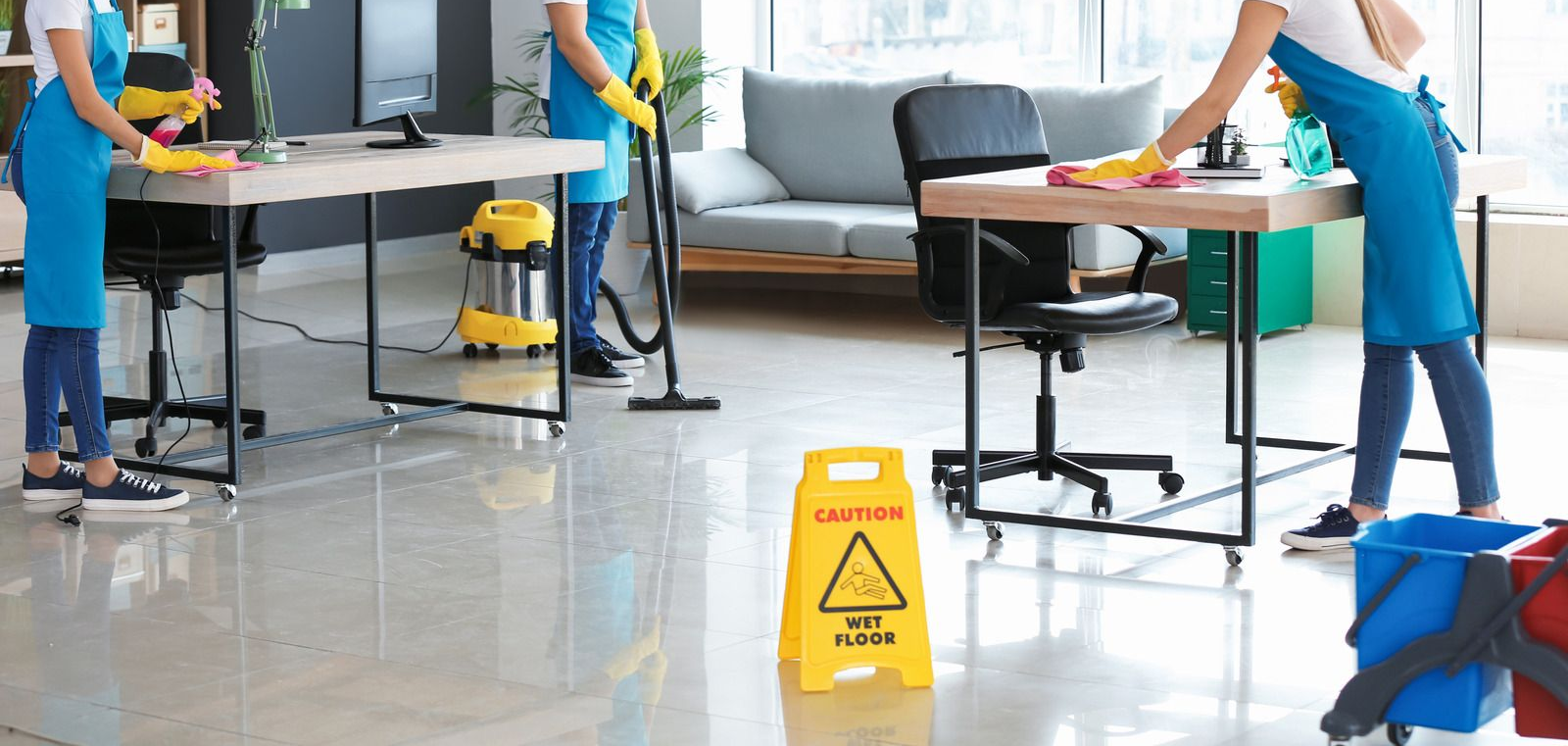
Desks and work surfaces are high-contact zones where hands, devices, paperwork, and personal items interact continuously. These areas collect dust, food particles, skin oils, and unseen contaminants over time. In shared office environments, the risk of cross-contamination increases significantly.
We must clean and disinfect them daily, with additional spot cleaning during working hours if needed. A structured approach includes removing clutter, wiping surfaces with disinfectant solutions, and ensuring proper drying to avoid residue buildup. Consistent maintenance not only supports employee health but also improves productivity, reduces absenteeism due to illness, and ensures a cleaner, more organized working environment.
4 Keyboards and Computer Mice
Keyboards and computer mice accumulate bacteria rapidly due to constant hand contact throughout the day. These essential tools are often overlooked during routine cleaning, yet they are among the most contaminated office items.
We must prioritize their maintenance using microfiber cloths, compressed air, and appropriate cleaning solutions that do not damage electronic components. Cleaning should be done carefully to avoid liquid seepage. Regular disinfection improves hygiene, extends equipment lifespan, and ensures reliable performance in both shared and individual workspace environments.
5 Telephones and Headsets
Telephones and headsets are frequently used and often shared among multiple individuals in professional environments. Continuous handling makes them significant contamination points within the workplace.
We must sanitize these devices daily using safe disinfectants that are compatible with electronic materials. In call centers or shared office setups, cleaning should be done multiple times a day. Maintaining cleanliness supports better hygiene practices, ensures safe communication, and contributes to a healthier office environment by reducing the risk of cross-contamination between users.