
The Role of Industrial Cleaning in Safety and Compliance
Industrial facilities are complex environments where machinery, chemicals, and personnel interact daily to produce goods efficiently. Maintaining these spaces requires more than routine tidying—it demands systematic industrial cleaning practices that safeguard both human health and operational integrity. A clean industrial environment not only prevents accidents but also ensures that equipment operates at peak performance, minimizing downtime and costly repairs. With the increasing regulatory demands across manufacturing, chemical processing, and food production industries, effective industrial cleaning has become a critical component of workplace safety and compliance. Moreover, industrial cleaning supports operational efficiency by reducing wear and tear on machinery, extending the life of infrastructure, and improving overall production consistency. It also enhances workplace morale, as employees feel more secure and valued in a well-maintained facility.
The stakes are high in industrial settings where even minor lapses in cleanliness can lead to serious consequences, from slips and falls to contamination and regulatory penalties. Beyond immediate safety concerns, the long-term impact of neglecting cleaning protocols can be severe, including increased risk of fire hazards, exposure to toxic substances, and compromised product quality. For facility managers, safety officers, and compliance teams, understanding the role of industrial cleaning is essential. Implementing robust cleaning strategies is not just a maintenance task—it is a proactive approach to sustaining a safe, compliant, and productive work environment. Additionally, industrial cleaning plays a key role in meeting environmental standards and demonstrating corporate responsibility, ensuring businesses operate ethically and sustainably while protecting their workforce and assets.
Advanced Industrial Cleaning Techniques
High-Pressure Washing and Steam Cleaning
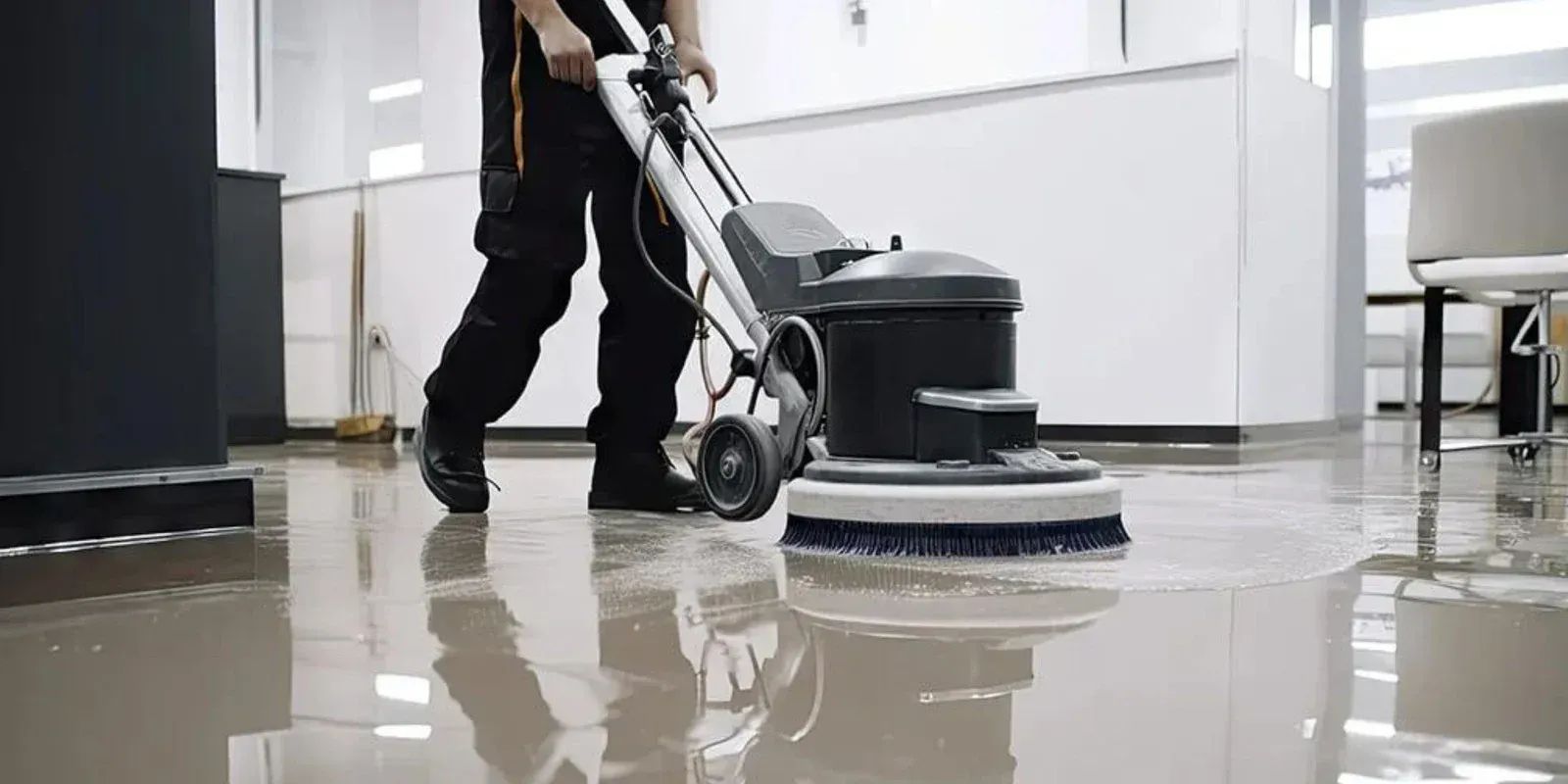
Modern industrial facilities benefit from specialized cleaning techniques tailored to their unique challenges. High-pressure washing effectively removes grease, grime, and chemical residues from machinery and floors. Steam cleaning provides a chemical-free method for sanitizing sensitive equipment, reducing microbial contamination without introducing potentially harmful cleaning agents. Both methods are highly effective in maintaining a hygienic environment, particularly in industries where precision and cleanliness directly impact production quality.
Chemical and Disinfectant Application
Targeted chemical cleaning is essential for areas that handle hazardous substances or biohazards. Proper use of disinfectants and degreasers ensures that contaminants are neutralized without damaging equipment. Industrial cleaning professionals follow strict protocols regarding dilution ratios, application techniques, and contact times, ensuring both safety and efficacy. For example, applying the correct concentration of a degreaser to metal parts prevents corrosion while removing residues efficiently.
Automation and Robotics in Industrial Cleaning
Robotics and automated cleaning systems are becoming increasingly common in large-scale facilities. Automated floor scrubbers, robotic vacuum systems, and cleaning drones reduce human exposure to hazardous environments while increasing efficiency. These technologies complement traditional methods, especially in hard-to-reach areas or environments with repetitive cleaning needs. Additionally, automation ensures consistent cleaning standards, which is critical for compliance audits and quality control.
Challenges and Solutions in Industrial Cleaning
Common Challenges
Industrial cleaning is not without challenges. Facilities may struggle with:
- Hard-to-access areas behind heavy machinery
- Hazardous chemicals that require specialized handling
- Downtime during cleaning operations impacting production schedules
- Inconsistent employee adherence to cleaning protocols
Addressing these challenges requires a proactive, structured approach to cleaning that prioritizes safety, compliance, and operational continuity.
Effective Solutions
- Risk Assessment: Identify high-risk areas and develop targeted cleaning plans.
- Employee Training: Regularly educate staff on safe handling of cleaning agents and proper techniques.
- Scheduling Efficiency: Plan cleaning during off-peak hours to minimize production disruptions.
- Outsourcing Expertise: Industrial cleaning specialists bring experience, specialized equipment, and compliance knowledge to manage complex cleaning needs efficiently.
By anticipating these challenges and implementing best practices, facilities can maintain a safe, compliant, and productive environment while reducing operational interruptions.
The Broader Benefits of Industrial Cleaning
Integrating Cleaning into a Safety Culture
Building a Cleaning-Centric Safety Culture
Industrial cleaning is most effective when integrated into a facility’s overall safety culture. Management must demonstrate commitment to cleanliness through investment in proper equipment, training programs, and enforcement of cleaning protocols. Regular audits and employee feedback mechanisms ensure that cleaning practices remain effective and relevant.
Continuous Improvement and Innovation
Facilities that adopt a culture of continuous improvement in cleaning strategies stay ahead of regulatory changes and emerging risks. This includes exploring new technologies, updating chemical usage protocols, and benchmarking against industry standards. By treating industrial cleaning as an ongoing strategic priority rather than a one-time task, organizations create safer, more compliant, and resilient operations.
Professional Industrial Cleaning Expertise You Can Trust
Industrial cleaning is a critical component of safety, compliance, and operational efficiency in modern facilities. From preventing accidents to meeting strict regulatory standards, the benefits of systematic cleaning extend far beyond appearance. Advanced cleaning techniques, proactive planning, and integration into a safety-focused culture ensure that industrial environments remain safe, productive, and compliant. Addressing challenges through strategic solutions and innovative practices further underscores the importance of industrial cleaning as a cornerstone of facility management.
Integrity Facility Solutions, based in Evansville, IN, has been a trusted authority in industrial cleaning for 35
years. Our team brings decades of experience in ensuring that industrial facilities operate safely, remain compliant with regulatory standards, and maintain optimal functionality. We specialize in comprehensive cleaning solutions tailored to each facility’s unique needs, using advanced techniques, environmentally responsible practices, and strict safety protocols. By partnering with Integrity Facility Solutions, companies gain a reliable ally committed to protecting employees, equipment, and operations. Our proven track record and dedication to excellence make us the go-to choice for businesses seeking professional, effective, and compliant industrial cleaning services.
Industrial Cleaning as a Safety Imperative
Preventing Workplace Accidents
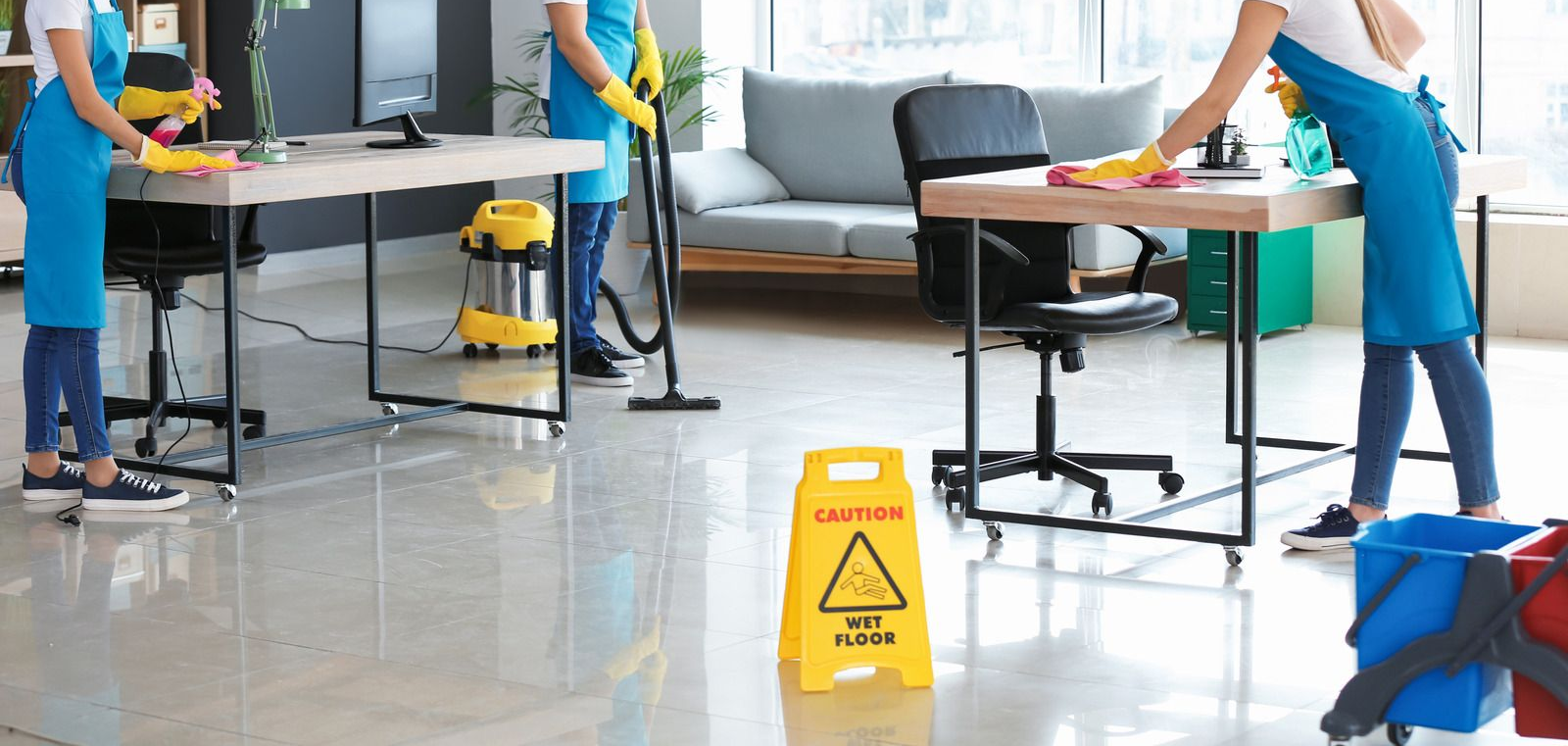
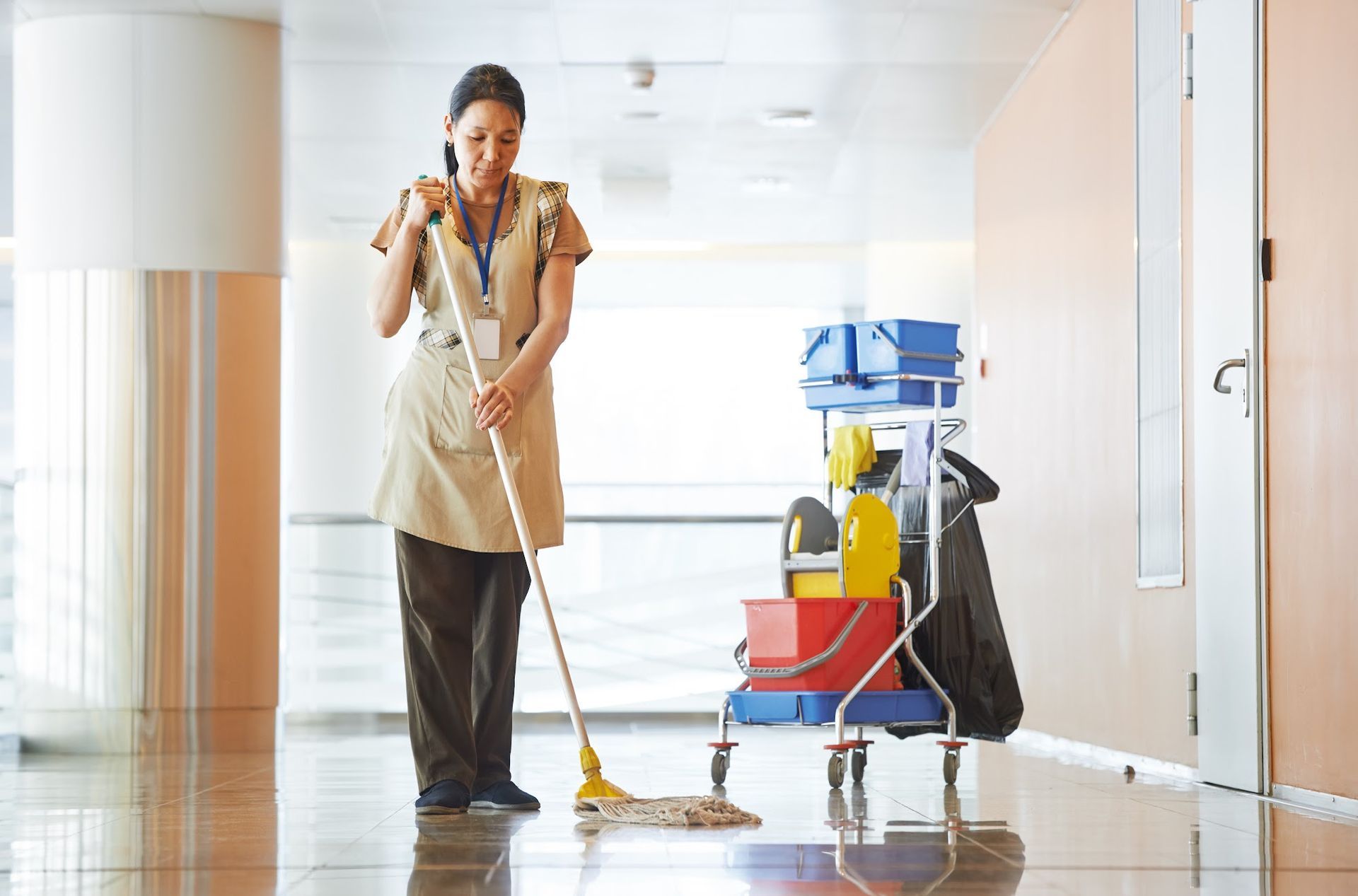
Industrial cleaning is foundational to safety. Factories, warehouses, and processing plants are prone to hazards such as slippery floors, scattered debris, and chemical spills. A systematic cleaning regimen reduces these risks by removing potential tripping hazards, oil residues, and other substances that contribute to accidents. For instance, regularly cleaned production floors prevent slip-and-fall injuries, which are among the most common industrial accidents reported each year. Safety signage and cleaning schedules complement these efforts, ensuring employees are aware of potential risks and the steps taken to mitigate them.
Reducing Exposure to Harmful Substances
In environments handling chemicals, dust, or airborne particles, industrial cleaning minimizes exposure to hazardous materials. Dust accumulation in manufacturing plants, for example, can pose respiratory risks or even lead to explosive situations in certain industries. By implementing targeted cleaning methods—such as vacuuming dust-prone areas, pressure washing chemical spills, and safely disposing of hazardous waste—facilities can protect workers’ health and reduce incidents of occupational illnesses. Personal protective equipment (PPE) and regular training further reinforce safety measures alongside cleaning protocols.
Case Study: Manufacturing Facility Safety
A mid-sized metal fabrication plant in the Midwest implemented daily industrial floor cleaning, weekly equipment wipe-downs, and monthly deep sanitation of chemical storage areas. Over a year, the facility reported a 40% reduction in slip-and-fall incidents and fewer minor chemical exposure cases. This demonstrates that consistent cleaning practices directly correlate with improved workplace safety, highlighting the tangible benefits of industrial cleaning beyond aesthetics.
Enhancing Employee Morale and Productivity
A clean, well-maintained facility communicates professionalism and care. Employees working in tidy, hygienic environments report higher morale and productivity, knowing their safety is prioritized. Clean spaces also reduce distractions, prevent illness-related absenteeism, and support mental well-being, all of which contribute to operational efficiency.
Protecting Equipment and Infrastructure
Industrial cleaning extends the lifespan of machinery and facility infrastructure. Removing dust, grease, and corrosive substances prevents premature wear and tear, reducing maintenance costs and unscheduled downtime. For example, conveyor belts and production machinery require regular cleaning to prevent residue buildup that can cause malfunctions or breakdowns.
Sustainability and Environmental Responsibility
Modern industrial cleaning also emphasizes environmental responsibility. Using eco-friendly cleaning agents, recycling waste materials, and implementing water-saving techniques contribute to sustainability goals. Facilities that prioritize green cleaning practices not only comply with environmental regulations but also enhance their corporate reputation and appeal to environmentally conscious stakeholders.
Industrial Cleaning and Regulatory Compliance
Meeting OSHA and EPA Standards
Regulatory bodies such as OSHA (Occupational Safety and Health Administration) and the EPA (Environmental Protection Agency) establish strict guidelines for industrial hygiene and workplace safety. Industrial cleaning helps facilities meet these standards by maintaining hygienic workspaces, proper chemical storage, and safe disposal of hazardous waste. Regular audits, inspections, and documented cleaning protocols ensure that facilities remain compliant and prepared for regulatory assessments.
Maintaining Product Quality and Food Safety
Industries such as food processing and pharmaceuticals face rigorous hygiene requirements to prevent contamination. Industrial cleaning is critical to meeting these standards, from sanitizing production lines to disinfecting storage areas. For example, food processing plants must follow Good Manufacturing Practices (GMP), which include stringent cleaning schedules to reduce microbial growth. Non-compliance can result in product recalls, fines, and reputational damage, emphasizing the dual importance of cleaning for both safety and legal adherence.
Best Practices for Compliance
- Establish a documented cleaning schedule with frequency and methods for each area.
- Train employees in hygiene protocols and proper cleaning techniques.
- Maintain records of cleaning activities for inspection purposes.
- Use EPA-registered disinfectants and follow safety data sheet (SDS) guidelines for chemical use.
By integrating cleaning practices with regulatory requirements, facilities not only comply with the law but also foster a culture of responsibility and accountability.