
Day Porter Services: Are They Right for Your Business
Clean and well-maintained business environments play a crucial role in shaping customer impressions, employee productivity, and overall operational efficiency. In today’s competitive commercial landscape, maintaining cleanliness is no longer limited to after-hours janitorial work. Many organizations now rely on continuous upkeep solutions that ensure facilities remain presentable and functional during active business hours. This consistent attention to detail also helps reduce safety hazards and reinforces a professional brand image throughout the day. Where foot traffic is high, even minor upkeep lapses can significantly impact perception and comfort.
Day porter services provide ongoing cleaning and maintenance support throughout the workday, helping address immediate cleaning needs, restocking essentials, and ensuring high-traffic areas remain tidy and safe. Unlike traditional cleaning routines that occur once operations end, this service focuses on real-time upkeep that supports both employees and visitors. Businesses benefit from improved hygiene standards, enhanced customer experience, and reduced maintenance disruptions. They also help maintain compliance with workplace cleanliness expectations in regulated or customer-facing environments. This proactive approach ensures issues are resolved before they escalate into larger operational concerns.
As expectations for cleanliness continue to rise, organizations are actively evaluating whether continuous facility support aligns with operational goals. Understanding how day porter services function and what value they deliver is essential for making informed facility management decisions. This guide explores their benefits, applications, challenges, and key considerations to help determine whether this service model fits specific business needs effectively. It also highlights how consistent upkeep can improve long-term cost efficiency and operational flow. Ultimately, the right cleaning strategy can directly influence both customer satisfaction and workplace performance.
Operational Challenges and Considerations
Managing Staffing Requirements
Implementing continuous cleaning support requires careful scheduling and staffing coordination. Ensuring adequate coverage during peak hours is essential to maintain consistency without overstaffing.
Balancing Visibility and Disruption
Day porters must perform duties without interfering with customers or employees. Proper training ensures discreet yet effective service delivery, especially in professional environments.
Defining Clear Service Expectations
Businesses must establish clear guidelines for cleaning frequency, priority areas, and response times. Without structured expectations, service quality may vary.
Budget Allocation and Planning
While beneficial, ongoing cleaning support requires financial planning. Organizations must evaluate whether the operational benefits justify the investment based on traffic volume and facility needs.
Training and Professional Standards
Proper training in safety protocols, cleaning chemicals, and customer interaction is critical. Well-trained personnel ensure consistent service quality and compliance with hygiene standards.
Integration with Existing Cleaning Systems
Day porter services must complement existing janitorial schedules. Coordination between daytime and after-hours cleaning ensures complete facility coverage without redundancy.
Best Practices for Effective Implementation
Identify High-Priority Areas
Focus on restrooms, entrances, cafeterias, and high-traffic corridors. These zones require frequent attention to maintain cleanliness and safety throughout the day.
Establish a Structured Workflow
Create a detailed checklist outlining tasks and frequency. This ensures accountability and consistency in service delivery across all shifts.
Use Communication Systems
Clear communication channels between facility managers and porters help address issues quickly. Real-time updates improve response efficiency and service accuracy.
Monitor Performance Regularly
Regular inspections help evaluate service quality and identify areas for improvement. Performance tracking ensures standards remain consistently high.
Leverage Preventive Maintenance
Instead of waiting for issues to escalate, proactive cleaning and upkeep reduce long-term maintenance costs and improve facility lifespan.
Adapt Based on Traffic Flow
Adjust cleaning frequency based on peak business hours or seasonal fluctuations. Flexible scheduling ensures optimal resource utilization without compromising cleanliness.
Is Day Porter Service Right for Your Business?
Evaluating Operational Fit
The decision depends on facility size, visitor volume, and cleanliness expectations. High-traffic environments benefit most from continuous upkeep, while smaller offices may require limited support. Businesses prioritizing customer experience, safety, and hygiene often find strong value in this service model. Evaluating internal workload, maintenance gaps, and operational priorities helps determine suitability. When cleanliness directly impacts reputation and daily operations, day porter services become a strategic advantage rather than an optional expense.
Maintaining Consistency in Busy Environments
Ensuring Reliable Facility Standards
Consistency defines effective facility care. Regular oversight, structured routines, and responsive cleaning actions maintain operational order. Continuous attention prevents buildup of dirt and clutter, ensuring a professional environment throughout the entire business day.
Strengthening Hygiene in High-Traffic Areas
Focus on Critical Contact Points
High-touch surfaces require constant sanitation to reduce health risks. Door handles, restrooms, and shared equipment must be cleaned frequently. This approach minimizes contamination and supports safer working conditions for employees and visitors.
Enhancing Customer Experience Through Cleanliness
Creating Positive Brand Impressions
Clean surroundings directly influence customer perception. A well-maintained facility builds trust and encourages repeat visits. Visible cleanliness signals professionalism and care, strengthening overall brand reputation in competitive markets.
Supporting Long-Term Facility Efficiency
Reducing Operational Strain
Ongoing maintenance reduces facility strain by addressing issues early. Preventive cleaning lowers repair costs and extends asset lifespan. This approach supports smoother operations and long-term financial efficiency.
Trusted Professional Maintenance Driving Long-Term Operational Efficiency
Day porter services provide a strategic solution for maintaining cleanliness, safety, and professionalism throughout active business hours. By ensuring real-time upkeep, businesses can enhance customer satisfaction, reduce operational disruptions, and maintain higher hygiene standards. The ability to respond quickly to spills, restock essentials, and manage high-traffic areas makes this service especially valuable for dynamic commercial environments. When implemented effectively, continuous facility support strengthens both brand perception and workplace efficiency. It allows organizations to focus on core operations while maintaining a consistently clean environment. Evaluating traffic levels, operational needs, and customer expectations helps determine whether this service aligns with long-term facility goals. This proactive approach also helps prevent minor issues from escalating into larger maintenance concerns that could affect daily operations. Consistent on-site attention ensures a safer and more welcoming environment for both employees and visitors.
Integrity Facility Solutions, based in Evansville, IN, brings 35
years of proven experience in delivering dependable facility maintenance services. The focus remains on providing consistent,
high-quality cleaning solutions that support commercial environments of all sizes. Every service approach is built around reliability, efficiency, and attention to detail, ensuring that businesses maintain a clean and professional appearance throughout the day. With a strong legacy of industry expertise, the goal is to enhance workplace hygiene standards while minimizing operational interruptions. From high-traffic facilities to corporate environments, tailored cleaning strategies are designed to meet real-time demands with precision. Commitment to excellence, safety, and customer satisfaction continues to position us as a trusted name in professional day porter and facility care services. This dedication extends to building long-term partnerships with clients through dependable service delivery and responsive support. By maintaining consistent quality standards, the company helps organizations project a strong and professional image every day.
Understanding Day Porter Services in Modern Facilities
Core Responsibilities of Day Porter Support
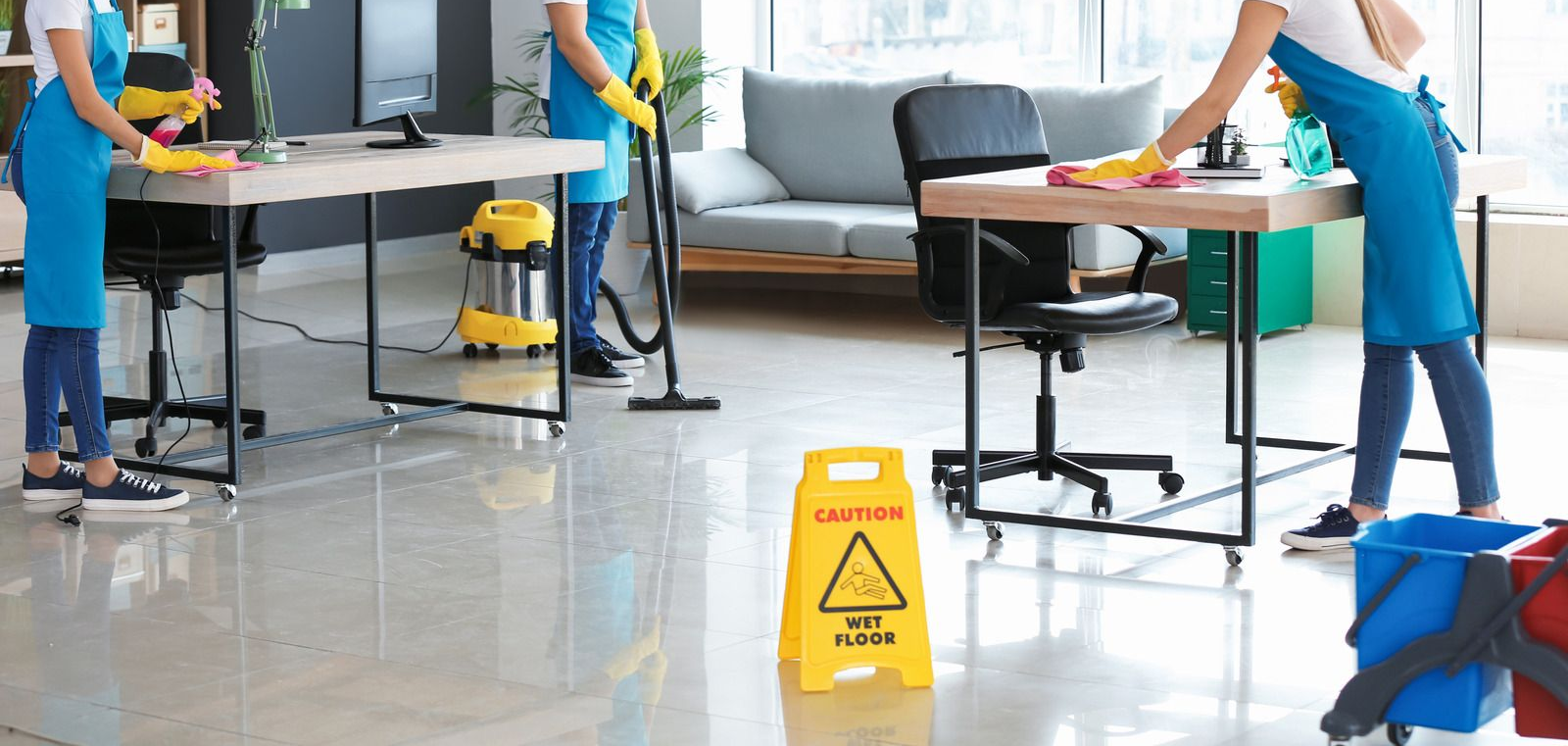
Day porter services focus on maintaining cleanliness and order during business hours. Common responsibilities include cleaning spills, sanitizing high-touch surfaces, removing trash, restocking restrooms, and maintaining entryways. These tasks ensure that facilities remain presentable even during peak activity periods.
Real-Time Cleaning vs Scheduled Cleaning
Unlike traditional cleaning that occurs after closing, day porter support operates continuously. This allows immediate response to messes or sanitation issues. For example, in a busy retail store, a spill in an aisle can be addressed instantly, reducing safety risks and improving customer satisfaction.
Enhancing Operational Efficiency
Facilities benefit from reduced disruptions since cleaning tasks are handled without interrupting core business activities. Employees can focus on productivity instead of addressing minor maintenance issues. Visitors also experience a consistently clean environment, which strengthens brand perception.
Industries That Benefit the Most
High-traffic environments such as hospitals, schools, office complexes, shopping centers, and event venues gain significant value from day porter coverage. These spaces experience frequent use throughout the day, making continuous upkeep essential.
Flexible and Scalable Solutions
Service schedules can be adjusted based on facility size, foot traffic, and operational hours. This flexibility allows businesses to scale cleaning support without overcommitting resources.
Why It Matters Today
Modern consumers and employees expect visibly clean environments at all times. Maintaining hygiene standards throughout the day supports health, safety, and brand trust. Day porter services bridge the gap between deep cleaning cycles and real-time facility needs.
Key Benefits of Day Porter Services
Improved First Impressions
A consistently clean environment creates a strong first impression for clients and visitors. Entryways, lobbies, and common areas remain presentable throughout the day, reinforcing professionalism and attention to detail.
Enhanced Health and Safety Standards
Frequent cleaning of high-touch surfaces such as door handles, elevators, and restrooms reduces the spread of germs. This contributes to a healthier environment for employees and visitors, especially in shared spaces.
Increased Employee Productivity
A clean workspace reduces distractions and allows employees to focus on their responsibilities. Immediate cleanup of spills and clutter prevents workflow interruptions and supports better morale.
Faster Response to Maintenance Issues
Day porters quickly address unexpected issues such as restroom shortages, trash overflow, or minor facility damage. This proactive approach prevents small problems from escalating into larger concerns.
Cost Efficiency Over Time
While it may appear as an added expense, continuous maintenance reduces the need for intensive deep cleaning or emergency repairs. Preventive care often leads to long-term cost savings.
Stronger Brand Reputation
Clean environments reflect organizational standards. Customers are more likely to trust and engage with businesses that maintain visible cleanliness throughout operational hours.