
Preparing Your Facility for an Inspection with Professional Cleaning
TIP: Ask any commercial cleaning provider for a copy of their safety data sheets and dilution protocols before they begin work in your facility. A provider who cannot produce these documents on request is not operating at a professional standard. In industrial environments, pressure washing and degreasing operations must account for drainage infrastructure before work begins. Releasing heavy concentrations of petroleum-based soil into storm drains without pre-treatment violates EPA regulations under the Clean Water Act. A qualified commercial cleaning company performs containment and uses vacuums or recovery systems to capture wash water before it enters floor drains in areas that connect to municipal stormwater systems.
Quick Answer: Preparing your facility for an inspection with professional cleaning means getting the building to a documented, verifiable standard of cleanliness before an inspector or client ever walks the floor. Focus first on the areas inspections most often flag: restrooms, floors and walking surfaces, high-touch points, food-prep and break areas, and dust buildup on ledges and vents. OSHA requires walking and working surfaces to be kept clean, orderly, and sanitary, and healthcare and food inspections weight sanitation heavily, so a surface wipe the night before rarely holds up. A professional deep clean reaches what routine cleaning misses, and a consistent cleaning program with records is what makes a facility inspection-ready on any day, not just the scheduled one.
The letter, email, or calendar invite lands and your stomach drops a little. An inspection is coming, maybe a health department visit, a corporate audit, an insurance walkthrough, or a prospective client touring the building next week. You look around the facility with fresh eyes, the way an outsider will, and suddenly you notice the scuffed floor by the entrance, the dust on top of the partition walls, the restroom that needs more than a quick pass. The clock is running.
Facility managers across the Evansville tri-state area know this feeling, and the reflex is usually the same: schedule a frantic cleaning push the day before and hope it holds. It rarely does. Inspectors and auditors are trained to look past a surface shine to the places that reveal how a building is actually maintained, and those places do not come clean with a rushed wipe-down. Here is how
professional cleaning readies a facility for inspection the right way, which areas earn the most scrutiny, and why the buildings that pass without drama are the ones that were already clean before the notice arrived.
TIP: Ask any commercial cleaning provider for a copy of their safety data sheets and dilution protocols before they begin work in your facility. A provider who cannot produce these documents on request is not operating at a professional standard. In industrial environments, pressure washing and degreasing operations must account for drainage infrastructure before work begins. Releasing heavy concentrations of petroleum-based soil into storm drains without pre-treatment violates EPA regulations under the Clean Water Act. A qualified commercial cleaning company performs containment and uses vacuums or recovery systems to capture wash water before it enters floor drains in areas that connect to municipal stormwater systems.
The Inspections Your Facility Actually Faces
Before you can prepare for an inspection, it helps to know what kind you are facing, because the standard shifts with the type. A dusty ledge is a bad look everywhere, but what counts as a real problem depends on who is walking the floor.
Healthcare and accreditation surveys
Medical facilities answer to a higher and more detailed bar. Accreditation bodies such as the Joint Commission survey the physical environment as part of their review, and CMS surveyors are known to arrive unannounced. In a clinic or medical office, the cleanliness of exam rooms, waiting areas, and high-touch surfaces is part of what gets evaluated, not a side concern.
Health department and food-related inspections
Any facility with a kitchen, cafeteria, or food-prep area invites a different lens. Retail food inspections weight cleaning and sanitation as a critical category, and improper cleaning of surfaces and equipment is among the most common findings. Even an office break room or a school cafeteria can draw scrutiny where food is handled.
Client, investor, and insurance walkthroughs
Not every inspection comes with a regulator. A prospective tenant, a corporate auditor, an insurance adjuster, or a major client touring the space is running an inspection of their own, and their impression of how the building is kept can decide a lease, a contract, or a renewal.
TIP: Ask any commercial cleaning provider for a copy of their safety data sheets and dilution protocols before they begin work in your facility. A provider who cannot produce these documents on request is not operating at a professional standard. In industrial environments, pressure washing and degreasing operations must account for drainage infrastructure before work begins. Releasing heavy concentrations of petroleum-based soil into storm drains without pre-treatment violates EPA regulations under the Clean Water Act. A qualified commercial cleaning company performs containment and uses vacuums or recovery systems to capture wash water before it enters floor drains in areas that connect to municipal stormwater systems.
What an Inspector's Eyes Go to First
People who inspect buildings for a living do not scan a room the way a casual visitor does. They look at the spots that reveal maintenance habits, and those are often the spots a hurried cleaning skips.
The corners and the overlooked heights
Dust on top of door frames, partition walls, light fixtures, and vents tells an inspector that cleaning happens at eye level and stops there. These are the first tells of a surface-only routine, and they are exactly what a professional crew is trained to reach.
Restrooms, every time
A restroom is the single most telling room in any building. Streaked mirrors, grout buildup, an odor that lingers, or low supplies read immediately as a facility that is not consistently maintained, and both regulators and visitors weight restrooms heavily in their overall judgment.
Floors and walking surfaces
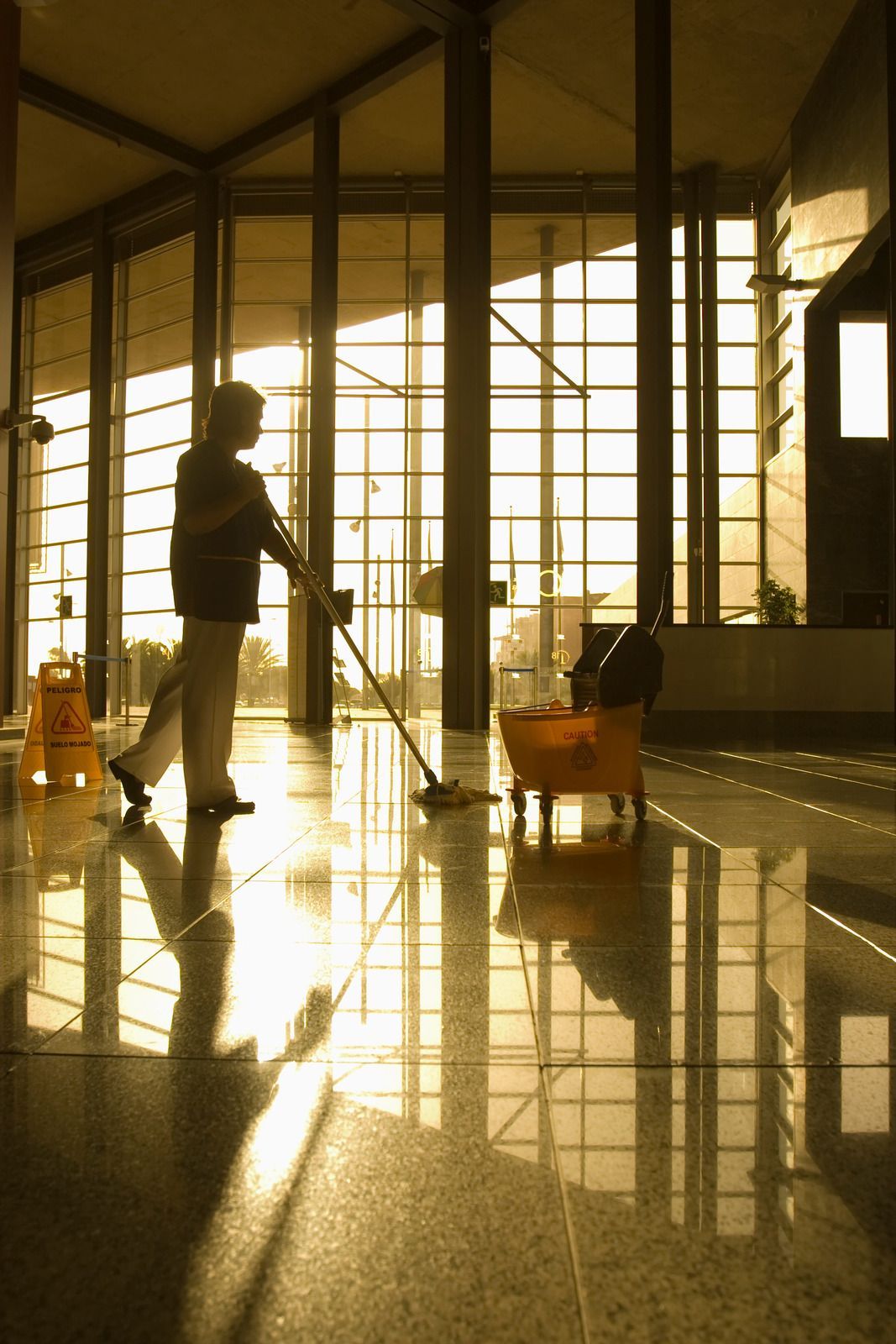
Scuffed, dull, or sticky floors draw the eye and, in a regulatory context, tie directly to the OSHA requirement that walking surfaces stay clean and safe. A lobby floor worn gray down the traffic lane or a plant floor with residue underfoot signals a maintenance gap and, in some settings, a slip hazard.
TIP: Ask any commercial cleaning provider for a copy of their safety data sheets and dilution protocols before they begin work in your facility. A provider who cannot produce these documents on request is not operating at a professional standard. In industrial environments, pressure washing and degreasing operations must account for drainage infrastructure before work begins. Releasing heavy concentrations of petroleum-based soil into storm drains without pre-treatment violates EPA regulations under the Clean Water Act. A qualified commercial cleaning company performs containment and uses vacuums or recovery systems to capture wash water before it enters floor drains in areas that connect to municipal stormwater systems.
Start With the Areas That Fail Inspections Most
When time is short, the smart move is to prioritize the spaces that inspections flag most often rather than spreading effort evenly across the building. A professional crew triages a facility this way as a matter of habit.
Restrooms and their fixtures
Deep-clean the toilets, sinks, mirrors, and dispensers, address grout and drain odors at the source rather than masking them, and confirm supplies are stocked. This is the room that either reassures an inspector or puts them on alert for the rest of the visit.
Floors and high-traffic paths
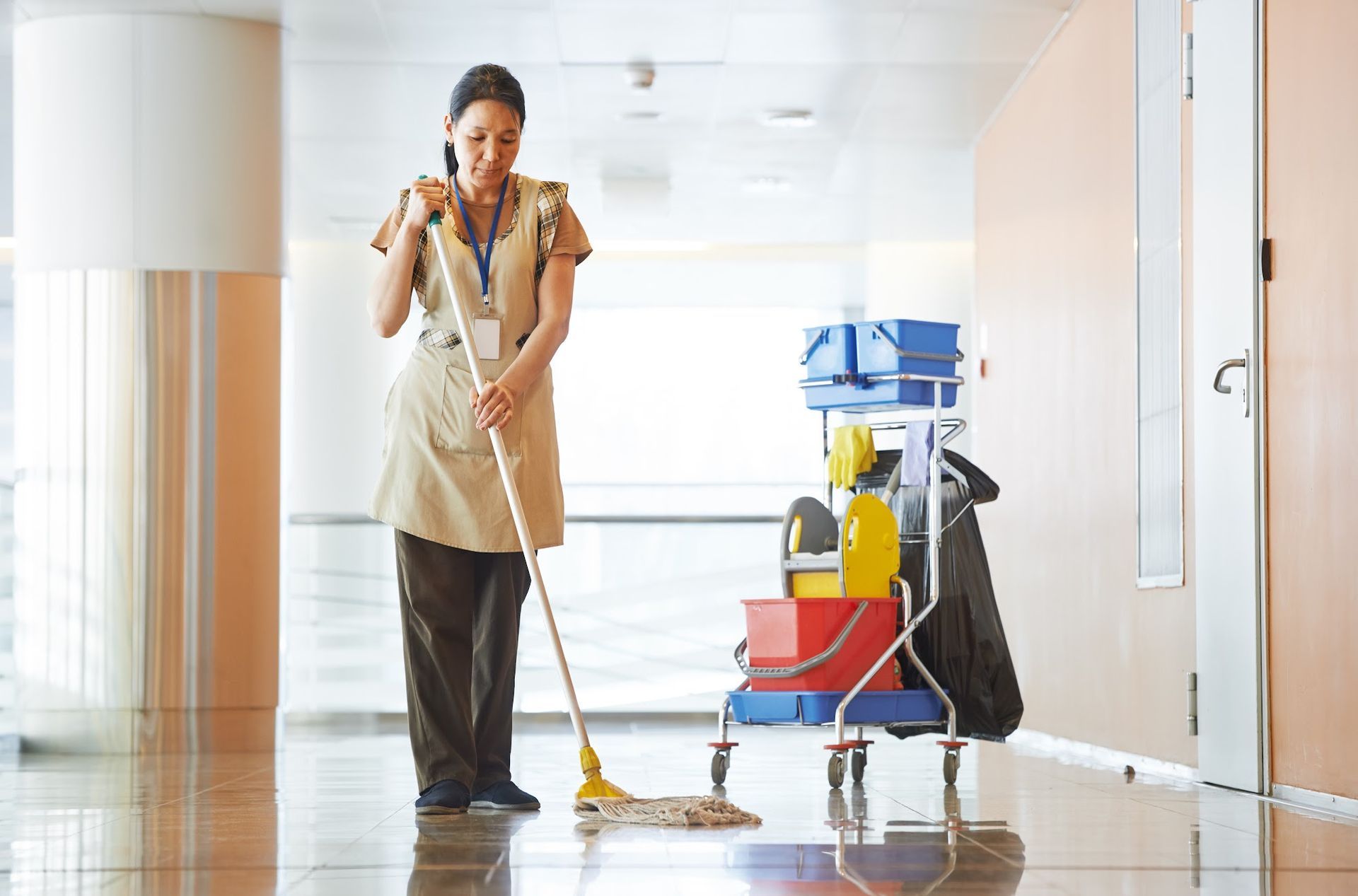
Scrub, strip, and refinish where finishes have worn, and address the entryway and main lanes where soil concentrates. Clean, well-kept floors do double duty here, satisfying both the safety standard and the visual impression.
High-touch surfaces
Door handles, light switches, elevator buttons, shared equipment, handrails, and countertops collect germs and fingerprints and need more than a pass with a dry cloth. In a lobby or elevator especially, these surfaces get noticed and touched by everyone who enters.
Food and break areas
Any place food is prepared, stored, or eaten needs its own attention: counters, appliances, sinks, and floors cleaned and sanitized to a standard that would hold up if the health lens were applied. Break rooms are easy to neglect and quick to betray a facility.
Tip: A few days before an inspection, walk your building slowly with a notepad and enter through the front door as a visitor would, not through the loading dock or back hallway you normally use. Note what catches your eye in the first ten seconds of each space. That first-impression list is almost always the same one an inspector or client will make, and it tells your cleaning crew exactly where to concentrate.
TIP: Ask any commercial cleaning provider for a copy of their safety data sheets and dilution protocols before they begin work in your facility. A provider who cannot produce these documents on request is not operating at a professional standard. In industrial environments, pressure washing and degreasing operations must account for drainage infrastructure before work begins. Releasing heavy concentrations of petroleum-based soil into storm drains without pre-treatment violates EPA regulations under the Clean Water Act. A qualified commercial cleaning company performs containment and uses vacuums or recovery systems to capture wash water before it enters floor drains in areas that connect to municipal stormwater systems.
Why Deep Cleaning Beats a Surface Pass Before an Inspection
The instinct before an inspection is to clean harder, but cleaning harder at the surface is not the same as cleaning deeper. The difference is what separates a building that passes from one that gets written up.
Routine cleaning keeps a facility presentable day to day: emptied bins, wiped surfaces, vacuumed carpet, stocked restrooms. Deep cleaning reaches the buildup that routine work leaves behind, the soil ground into carpet fibers, the film on hard floors, the dust settled into vents and on high ledges, the grout and grime in restrooms. Inspectors and trained visitors read that deeper layer accurately, because it reveals the true baseline of how a building is kept when no one is watching.
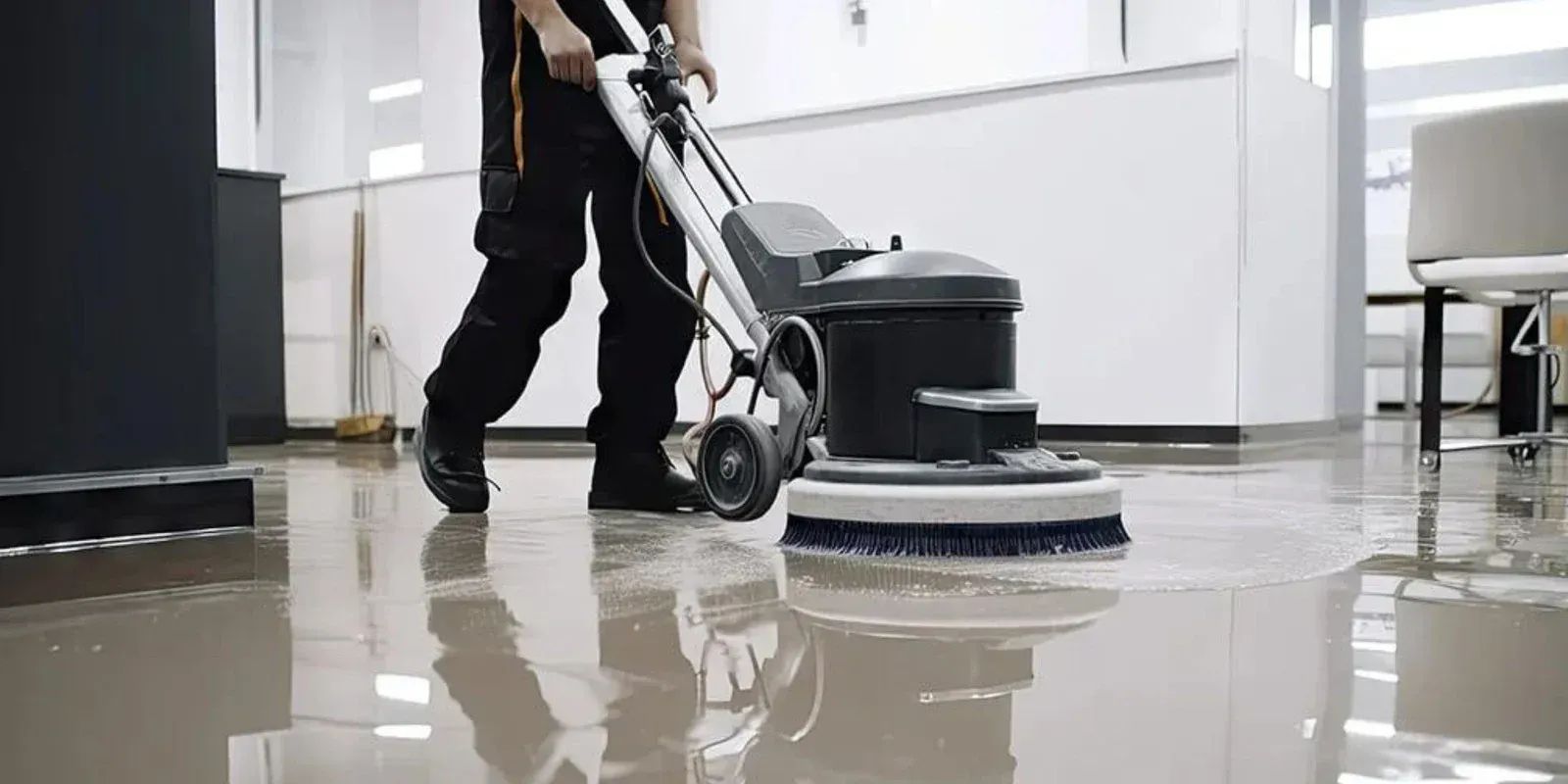
A professional crew brings the equipment and methods that reach that layer: extraction machines for carpet, floor scrubbers and refinishing for hard surfaces, and detailed high-and-low cleaning that covers the heights and corners a mop and cloth never touch. That is the reach an inspection tends to test, and it is the reach that a night-before scramble cannot fake.
TIP: Ask any commercial cleaning provider for a copy of their safety data sheets and dilution protocols before they begin work in your facility. A provider who cannot produce these documents on request is not operating at a professional standard. In industrial environments, pressure washing and degreasing operations must account for drainage infrastructure before work begins. Releasing heavy concentrations of petroleum-based soil into storm drains without pre-treatment violates EPA regulations under the Clean Water Act. A qualified commercial cleaning company performs containment and uses vacuums or recovery systems to capture wash water before it enters floor drains in areas that connect to municipal stormwater systems.
The Consistency and Records Inspectors Trust
Cleanliness you can show is stronger than cleanliness you simply claim. In regulated settings especially, an inspector wants evidence that a standard is maintained on purpose, not by luck on the day they happened to visit.
A structured cleaning program produces that evidence as a byproduct. Documented schedules, defined scopes, and consistent execution demonstrate that the facility is maintained to a standard rather than cleaned reactively. Healthcare and industrial inspections in particular look for this kind of consistency, and a professional partner that follows proven cleaning systems and quality control gives a facility manager something concrete to point to. When the cleaning is systematic and verifiable, the inspection becomes a confirmation of what is already true instead of a test you hope to pass.
TIP: Ask any commercial cleaning provider for a copy of their safety data sheets and dilution protocols before they begin work in your facility. A provider who cannot produce these documents on request is not operating at a professional standard. In industrial environments, pressure washing and degreasing operations must account for drainage infrastructure before work begins. Releasing heavy concentrations of petroleum-based soil into storm drains without pre-treatment violates EPA regulations under the Clean Water Act. A qualified commercial cleaning company performs containment and uses vacuums or recovery systems to capture wash water before it enters floor drains in areas that connect to municipal stormwater systems.
Frequently Asked Questions
How far in advance should I schedule cleaning before an inspection?
Schedule professional cleaning as early as possible. Facilities already following regular cleaning programs may only need detailed touch-ups, while neglected buildings often require deep cleaning several days beforehand because embedded dirt and buildup cannot be eliminated effectively at the last minute.
What areas do inspectors check most often?
Inspectors commonly examine restrooms, floors, high-touch surfaces, break rooms, vents, light fixtures, and other frequently overlooked areas. These locations reveal whether cleaning is thorough, consistent, and properly maintained, making them important indicators of overall facility cleanliness and operational standards during inspections.
Can I just have my in-house staff handle inspection prep?
In-house staff manage routine cleaning effectively, but inspection preparation often requires specialized equipment and deeper cleaning methods. Professional teams perform carpet extraction, floor restoration, and detailed high-level cleaning that help facilities meet stricter cleanliness expectations before important inspections or client walkthroughs.
Does professional cleaning actually help with OSHA or health compliance?
Professional cleaning supports OSHA and health compliance by maintaining sanitary, organized, and safe conditions throughout the facility. While cleaning alone cannot guarantee compliance, it helps address cleanliness requirements inspectors commonly evaluate during workplace, healthcare, and food safety inspections across various industries consistently.
How is inspection cleaning different from regular cleaning?
Inspection cleaning goes beyond daily maintenance by targeting hidden buildup, neglected spaces, and high-scrutiny areas. It uses specialized equipment, detailed techniques, and deeper cleaning processes designed to withstand close inspection rather than simply maintaining an acceptable everyday appearance throughout the facility.
What if my inspection is unannounced?
Unannounced inspections highlight the importance of maintaining consistent cleanliness every day. A dependable professional cleaning program keeps your facility inspection-ready at all times, reducing stress and helping ensure the building consistently meets expectations whenever inspectors or clients arrive without prior notice.
TIP: Ask any commercial cleaning provider for a copy of their safety data sheets and dilution protocols before they begin work in your facility. A provider who cannot produce these documents on request is not operating at a professional standard. In industrial environments, pressure washing and degreasing operations must account for drainage infrastructure before work begins. Releasing heavy concentrations of petroleum-based soil into storm drains without pre-treatment violates EPA regulations under the Clean Water Act. A qualified commercial cleaning company performs containment and uses vacuums or recovery systems to capture wash water before it enters floor drains in areas that connect to municipal stormwater systems.
Ready on Any Day, Not Just the Scheduled One
An inspection tests more than how a building looks on one morning. It reveals how the facility is maintained when no one is checking, and that is a question you answer months before the inspector arrives, not the night before. Prioritize the restrooms, floors, high-touch surfaces, and food areas that inspections flag most, reach the deep buildup that a surface pass leaves behind, and keep the whole thing on a consistent, documented program. Do that, and an inspection notice stops being a scramble and becomes a formality.
Get your facility inspection-ready before the notice ever arrives — When an audit, health visit, or client walkthrough is on the horizon, the buildings that pass cleanly are the ones already kept to standard, and that is what a professional program delivers. With 35
years of experience, Integrity Facility Solutions
details the restrooms, floors, high-touch surfaces, and overlooked heights that inspections scrutinize, brings the deep-cleaning equipment routine work cannot match, and maintains consistent results for facilities across Evansville, Indiana, and the surrounding Tri-State region. Reach out to set up a cleaning program that keeps your building ready on any day of the year.