
Understanding the Difference Between Janitorial and Commercial Cleaning
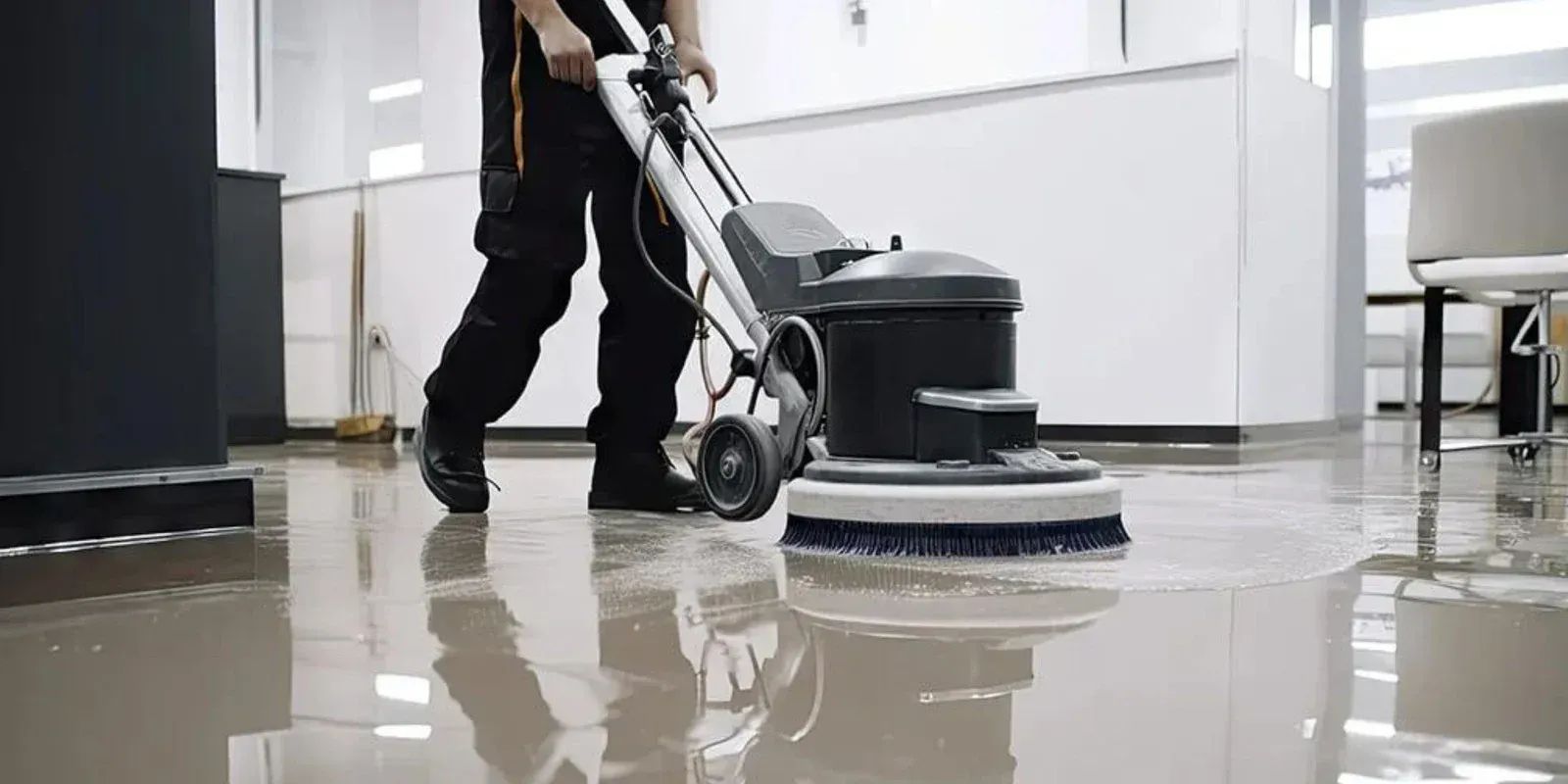
Walk through any large office building at the end of a workday and you will notice two things happening simultaneously: a custodian empties wastebaskets and wipes down reception counters while, in a back corridor, a crew unloads rotary floor machines and chemical dispensing systems to strip and refinish a 10,000 square foot vinyl composition tile floor. Both crews wear similar uniforms. Both are there to clean. But what they are doing, how they are trained, and what their work produces over time are entirely different disciplines.
That distinction matters more than most facility managers and property owners realize. Confusing janitorial service with commercial cleaning leads to misallocated budgets, accelerated surface degradation, and compliance gaps that surface during regulatory inspections or lease renewals. This article breaks down what separates routine custodial work from scheduled commercial cleaning, how the two services interact within a professional facility maintenance program, and what you should expect from a qualified provider in each category. Understanding the difference helps you ask better questions, set clearer expectations, and protect the long-term condition of your building.
TIP: Ask any commercial cleaning provider for a copy of their safety data sheets and dilution protocols before they begin work in your facility. A provider who cannot produce these documents on request is not operating at a professional standard. In industrial environments, pressure washing and degreasing operations must account for drainage infrastructure before work begins. Releasing heavy concentrations of petroleum-based soil into storm drains without pre-treatment violates EPA regulations under the Clean Water Act. A qualified commercial cleaning company performs containment and uses vacuums or recovery systems to capture wash water before it enters floor drains in areas that connect to municipal stormwater systems.
The Integration of Both Services in a Facility Maintenance Program
The relationship between janitorial and commercial cleaning is not competitive. It is sequential. Janitorial work maintains a baseline between commercial cleaning cycles, and commercial cleaning resets the baseline when routine maintenance can no longer recover the surface condition.
How the Two Services Interact
A facility running without a commercial cleaning program will see its janitorial results decline over time even if the custodial crew performs exactly as specified. That happens because janitorial chemistry is formulated for light soil removal, not restoration. When grout lines in a restroom tile floor have absorbed two years of soap scum and mold spore growth, a neutral pH floor cleaner applied by a custodian with a mop cannot break through the biofilm. The floor looks wet and mopped, but the contamination level does not measurably change. Restoring that grout requires a hot water pressure extraction system and an alkaline pre-spray left at a dwell time long enough to emulsify the organic load before agitation.
Scheduling and Program Design
A well-structured facility maintenance program maps every surface in the building to a cleaning frequency and a restoration interval. Hard floors in lobbies and corridors should be scheduled for spray buffing monthly and full strip-and-finish quarterly. Restroom tile should receive a periodic deep scrub with a targeted grout cleaner on a quarterly or biannual basis depending on use volume. Window washing, pressure washing of exterior walkways, and upholstery cleaning are scheduled annually in most commercial programs, though high-traffic hospitality or healthcare facilities may require more frequent cycles.
WARNING: Allowing a janitorial-only program to run for more than 12 months without a scheduled commercial cleaning cycle on hard floors will result in finish system failure that requires a multi-coat restoration process rather than a standard strip and refinish. In severe cases, the substrate itself may require mechanical preparation before a new finish will bond.
Integrity Facility Solutions Brings Real Expertise to Every Building
Janitorial and commercial cleaning serve different functions, operate at different frequencies, and require different levels of training, chemistry, and equipment. Treating them as interchangeable is one of the most common and costly miscalculations in facility management. Janitorial work preserves a day-to-day baseline. Commercial cleaning restores surfaces when that baseline can no longer be maintained through routine effort alone. A properly structured facility maintenance program uses both in a planned sequence, matched to the specific surfaces, traffic volumes, and regulatory requirements of the building. Over time, that coordination protects flooring systems, reduces the labor intensity of routine custodial work, and keeps the facility in a condition that reflects well on the organization operating inside it. The properties that maintain the highest long-term cleanliness standards are not the ones with the largest custodial budgets. They are the ones with the most deliberately structured programs.
At Integrity Facility Solutions, we have spent 35
years delivering structured, professional cleaning programs to commercial and industrial facilities across Evansville, IN, and the surrounding Tri-State region. We understand the specific conditions that affect facilities in this part of Indiana, from the clay soil loads that track through building entries during wet seasons to the humidity levels that accelerate biofilm growth on grout and porous surfaces. Our work spans both the janitorial and commercial cleaning disciplines, and we build programs that integrate both services into a coordinated schedule matched to the actual demands of each facility we serve. We work with property managers, operations directors, and facility owners across Newburgh, Henderson, Owensboro, and Mount Vernon, and our crews are trained in regulated cleaning environments including healthcare facilities, food-adjacent spaces, and light industrial operations. Every program we deliver starts with a surface-by-surface assessment so that the cleaning frequencies, chemistry selections, and restoration intervals we recommend are based on what your building actually requires rather than a generic package. That structured approach is what allows us to deliver consistent results across 25 years of operation in the market.
What Janitorial Service Actually Covers
Janitorial service is the recurring, task-based maintenance layer that keeps a facility functional between deeper cleaning cycles. It operates on daily or weekly schedules and addresses surface-level soil accumulation before it compounds into embedded contamination.
The Scope of Daily Custodial Tasks
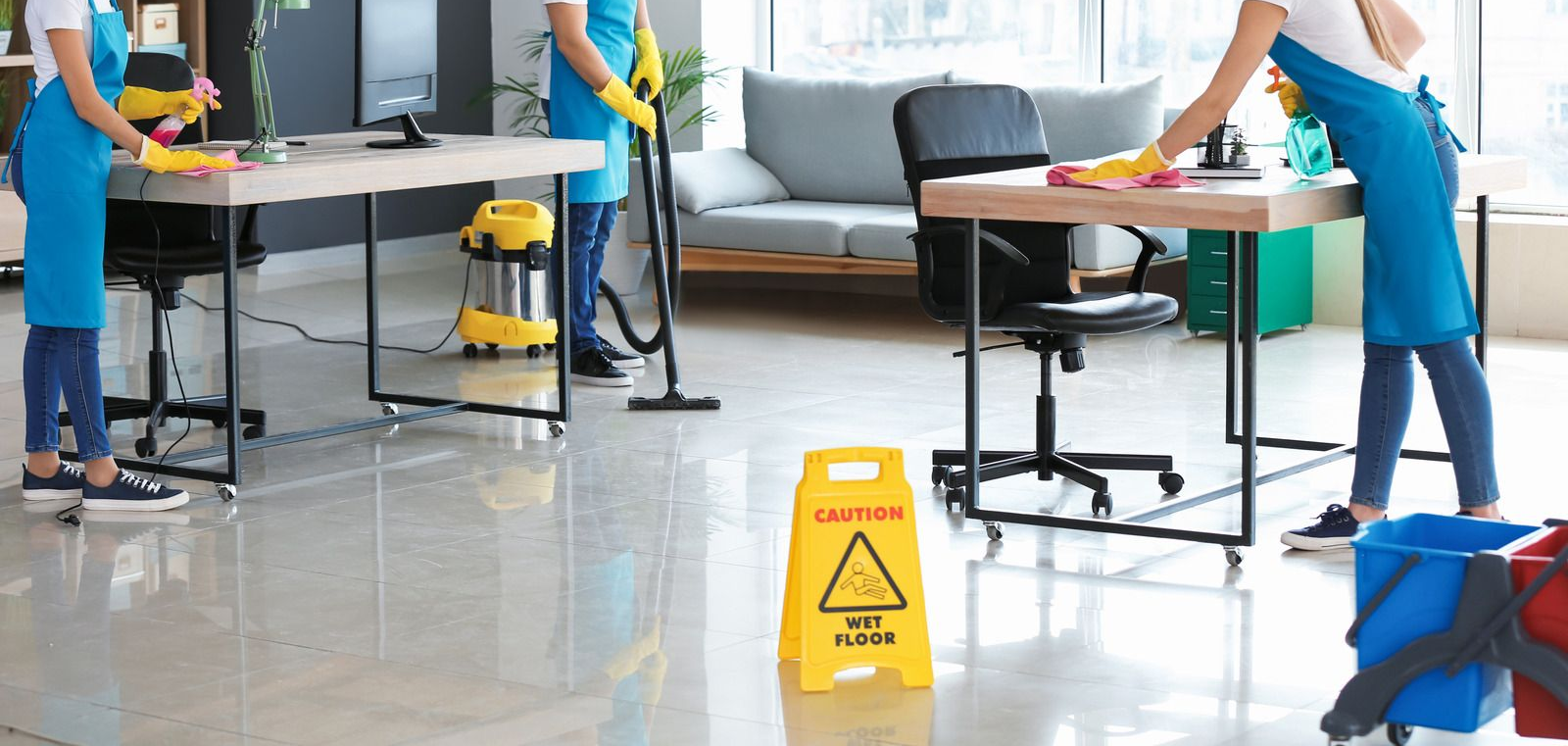
A structured janitorial program covers restroom sanitation, trash removal, spot mopping of hard floors, dusting of horizontal surfaces, and glass cleaning at entry points. These tasks follow a defined sequence to prevent cross-contamination. A trained custodian working in a medical office, for example, will always clean restrooms last in a route and will use color-coded microfiber cloths to separate restroom surfaces from workstation surfaces. That sequencing is not incidental. It is what prevents pathogens from transferring from high-risk zones to common areas during the cleaning process.
The frequency of janitorial visits is calibrated to foot traffic volume and building use type. A distribution warehouse with 200 workers running two shifts demands a different visit frequency than a five-person accounting office. Overextending the interval between custodial visits in high-traffic environments allows organic soil to dry and bond to surfaces, which raises the chemical concentration and dwell time required to break it down during the next visit.
What Janitorial Service Cannot Address
Janitorial crews are not equipped or trained to handle the periodic restoration tasks that protect flooring systems, grout beds, and HVAC-adjacent surfaces. Mopping a vinyl floor maintains surface appearance between restorations, but it does not remove the oxidized finish layers that trap soil and dull the reflectivity of the floor over time. Expecting custodial mopping to substitute for scheduled stripping and refinishing accelerates finish degradation and eventually requires more aggressive chemical intervention to restore the substrate.
The same principle applies to carpet. Custodial vacuuming removes dry particulate from the surface fiber but leaves behind oily soils bonded to fiber cores. Without periodic hot water extraction, those bonded soils accumulate until fibers abrade and the carpet backing stiffens. In commercial carpet rated for 10 to 15 years, skipping extraction cycles consistently shortens that service life by three to five years depending on foot traffic density.
What Commercial Cleaning Encompasses
Commercial cleaning refers to the scheduled, process-driven services that restore building surfaces to a maintained baseline. These services run monthly, quarterly, or annually and require specialized equipment, chemistry, and trained technicians rather than general custodial staff.
Hard Floor Restoration and Maintenance Programs
Vinyl composition tile and polished concrete floors require a documented floor care program built around strip, seal, and finish cycles. A standard program for a medium-traffic commercial facility applies two to three coats of a zinc cross-linked floor finish after stripping the floor down to bare substrate with an 800 to 1,200 rpm automatic scrubber and a strong alkaline stripper, typically at a pH between 12 and 13. The finish coats are applied in thin, even passes and allowed to cure before the next coat goes down. Rushing that cure window produces a cloudy, soft finish that scratches within days of reopening the floor to traffic.
Burnishing programs extend the life of a finish system by using a high-speed propane or electric burnisher, typically running at 1,500 to 2,000 rpm, to thermally fuse the finish surface and restore gloss without adding new chemistry. A facility maintaining a proper burnishing schedule can extend the interval between full strip cycles from four to six months, reducing the chemical load on the floor substrate and cutting labor hours across the year.
Specialty Surfaces and Regulated Environments
Commercial cleaning in healthcare, food production, and industrial settings involves regulated chemistry and documented procedures that go beyond general building maintenance. In a food manufacturing facility, a commercial cleaning crew follows a master sanitation schedule that specifies which surfaces require a chlorinated sanitizer versus a quaternary ammonium compound, what contact times are required at each concentration, and how rinse verification is confirmed before the space is released for production. Those decisions follow HACCP principles and are driven by surface type, biofilm risk, and regulatory inspection requirements.