
Seasonal Cleaning Checklist for Commercial Properties in Indiana
Maintaining a clean and organized commercial property is critical for operational efficiency, employee productivity, and overall customer perception. In Indiana, commercial properties face unique challenges throughout the year due to seasonal weather variations, from harsh winters to humid summers. Dust, dirt, and debris can accumulate rapidly, and weather-related damages can affect both the exterior and interior of buildings. A proactive seasonal cleaning strategy ensures that properties remain safe, welcoming, and functional while extending the life of office furnishings, flooring, and structural components.
Seasonal cleaning is more than a simple sweep-and-mop routine. It involves comprehensive planning, prioritization, and specialized procedures to address the distinct requirements of each season. From clearing winter salts and slush in early spring to managing pollen in late spring, or preparing HVAC systems for the summer, and safeguarding against leaf buildup in fall, a well-designed checklist can prevent costly repairs and improve overall facility management. For Indiana property managers and business owners, a structured seasonal cleaning checklist is an essential tool to maintain a professional environment while optimizing health, safety, and operational longevity. This guide provides actionable insights and best practices tailored to commercial properties across Indiana.
3. Fall Cleaning Checklist
Preparing for Leaf and Debris Accumulation
Indiana’s fall season is synonymous with falling leaves and increased moisture. Clear leaves from building entrances, rooftops, and drainage areas to prevent water accumulation and slip hazards. Inspect roof shingles and gutters to address any damage from summer storms, reducing the risk of leaks during heavy autumn rainfall.
Interior Adjustments and HVAC Maintenance
As temperatures drop, the HVAC system shifts from cooling to heating. Inspect heating units and replace filters to maintain air quality. Fall cleaning also involves checking for drafts, sealing windows and doors, and ensuring that carpets and rugs are free from accumulated dust and allergens. Addressing these items before winter helps improve energy efficiency and comfort for building occupants.
Restroom and Kitchen Deep Cleaning
Fall is the ideal time to conduct a thorough clean of restrooms and kitchen or break areas. Remove hard water stains, disinfect sinks, counters, and appliances, and check plumbing fixtures for any leaks or issues. Attention to these areas enhances employee satisfaction and supports overall hygiene standards.
4. Winter Cleaning Precautions
Snow and Ice Management
Winter in Indiana brings snow, ice, and freezing temperatures that pose unique challenges. Regularly remove snow from entrances, sidewalks, and parking areas to prevent accidents. Use de-icing materials carefully to minimize damage to flooring, pavements, and landscaping. Proper winter preparation is critical for safety and liability reduction.
Interior Protection Against Moisture
Indoor spaces can suffer from water damage due to melting snow and slush. Place absorbent mats at entrances to reduce moisture on floors and prevent slip hazards. Conduct frequent inspections of high-traffic areas to address any signs of water accumulation, especially near doors and entryways.
Seasonal Sanitization
The winter season often coincides with increased cold and flu activity. Implement intensified sanitization routines in restrooms, break rooms, and communal areas. Disinfect high-touch surfaces such as doorknobs, light switches, elevator buttons, and countertops to reduce the spread of illness. Providing a clean and safe environment not only protects employees but also maintains business continuity.
5. Specialized Seasonal Cleaning Tasks
Pest Control and Prevention
Each season introduces different pest challenges in Indiana. Spring may bring ants and spiders, summer increases the presence of flies and wasps, fall attracts rodents seeking shelter, and winter requires vigilance against indoor infestations. Regular pest inspections, preventive treatments, and timely interventions are essential components of a comprehensive seasonal cleaning plan.
Floor Care and Surface Maintenance
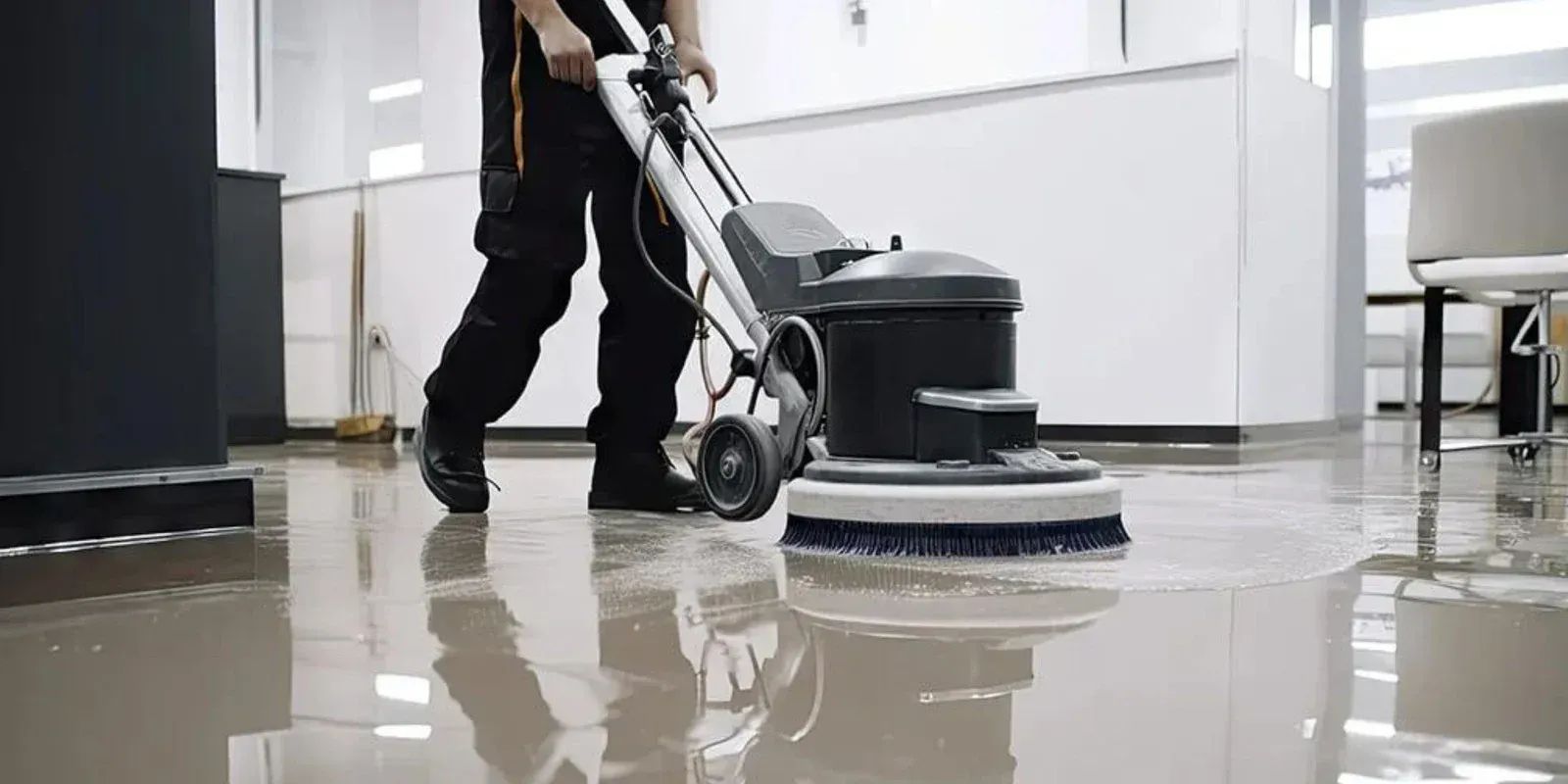
Seasonal changes can significantly affect flooring, from expanding and contracting hardwood to increased wear on carpets due to weather-induced debris. Implement scheduled deep cleaning, polishing, or refinishing to extend the lifespan of flooring materials. This proactive approach reduces long-term replacement costs and maintains aesthetic appeal.
Equipment and Safety Checks
Seasonal cleaning should also include inspection of safety equipment, fire extinguishers, emergency exits, and lighting systems. Ensuring that these critical systems are functional is vital for both compliance and employee safety. Additionally, check cleaning equipment and tools for wear and tear, replacing or servicing them to maintain efficiency.
6. Best Practices for Effective Seasonal Cleaning
Creating a Detailed Checklist
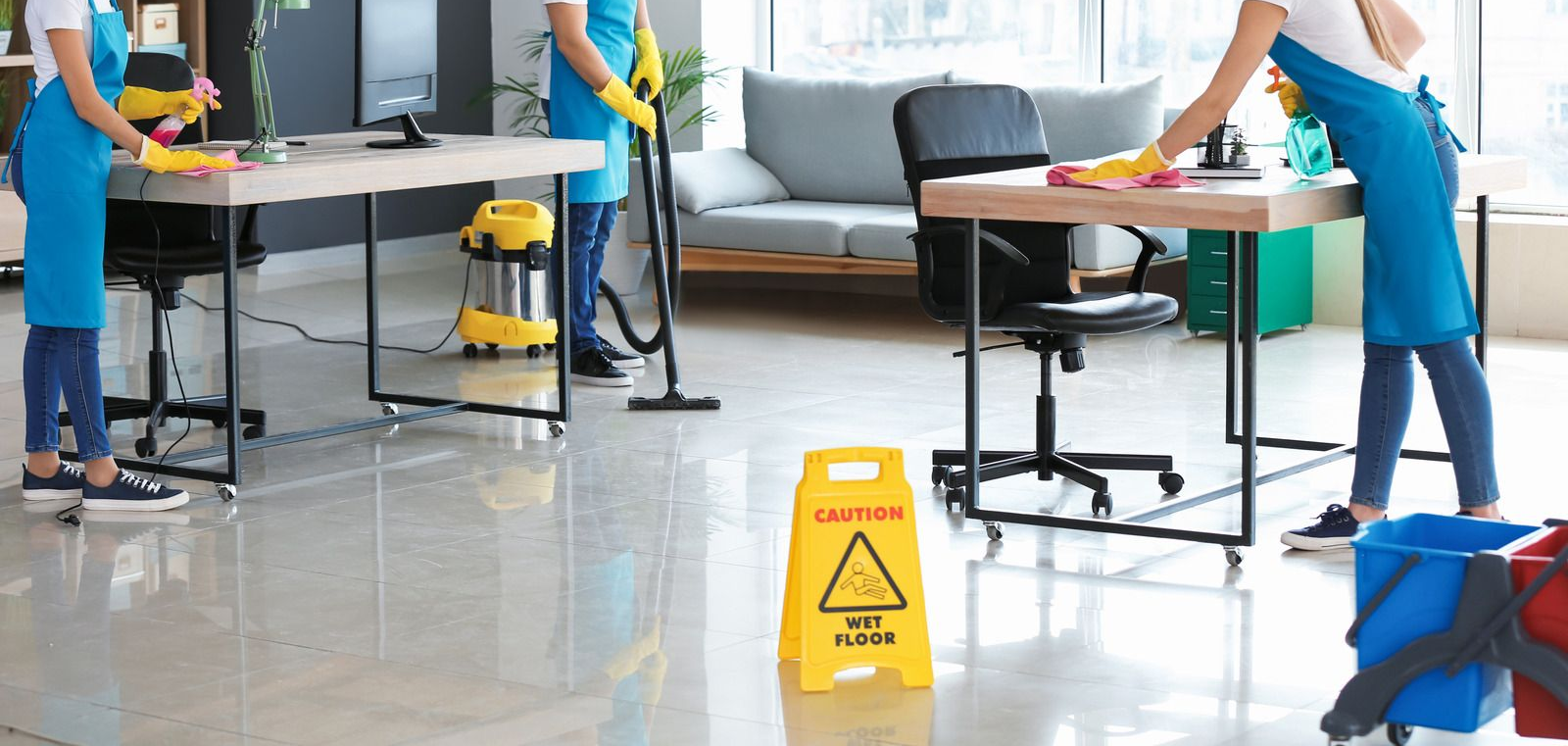
A thorough seasonal cleaning checklist ensures no task is overlooked. Break down cleaning requirements by season, specifying areas, equipment, and frequency. Assign responsibilities to in-house staff or outsourced cleaning services to streamline execution.
Scheduling and Time Management
Plan seasonal cleaning during off-peak hours or weekends to minimize disruption to operations. Proper scheduling reduces stress on cleaning teams and allows for more thorough results. Using a consistent schedule ensures that seasonal tasks are completed systematically each year.
Engaging Professional Cleaning Services
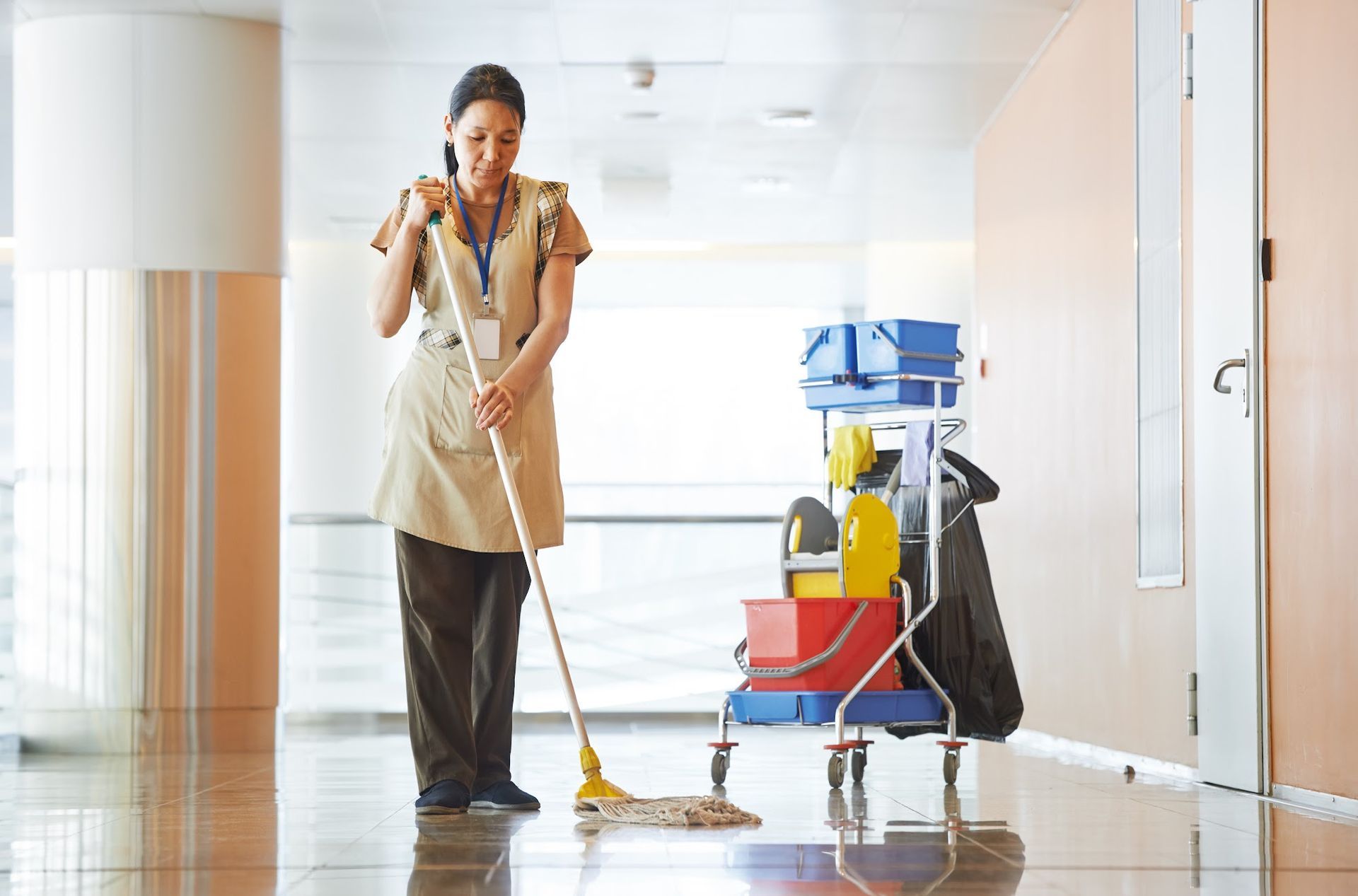
Many commercial properties benefit from professional cleaning services, particularly for specialized tasks like HVAC maintenance, carpet deep cleaning, or exterior power washing. Experienced providers bring expertise, equipment, and efficient workflows that save time and improve outcomes. Partnering with a professional service ensures high-quality, reliable results that align with industry standards.
Monitoring and Feedback
After each seasonal cleaning cycle, evaluate the results and gather feedback from employees or occupants. Identify areas of improvement and adjust checklists or procedures accordingly. This continuous improvement process helps maintain high standards and adapts to evolving facility needs.
7. Green Cleaning Practices for Sustainable Commercial Properties
Key Takeaways for Year-Round Commercial Cleaning Success
Maintaining a clean, safe, and functional commercial property requires careful planning and attention to seasonal changes. By implementing a comprehensive seasonal cleaning checklist, property managers can address the unique challenges of each season, protect building infrastructure, and ensure a welcoming environment for employees and clients. From spring deep cleans to winter precautions, each task contributes to improved hygiene, operational efficiency, and long-term facility sustainability.
Integrity Facility Solutions, based in Evansville, IN, brings over 35
years of expertise in
commercial cleaning and facility management. Our experienced team understands the complexities of maintaining commercial properties across Indiana’s varying seasons. We provide customized cleaning programs, seasonal maintenance plans, and professional support to ensure your property remains in optimal condition year-round. With a focus on quality, safety, and client satisfaction, we deliver solutions that protect your investment and enhance the professional image of your business. Trust us for reliable, efficient, and expert seasonal cleaning services tailored to your commercial property’s unique needs.
1. Spring Cleaning for Commercial Properties
Exterior Maintenance
Spring is the ideal time to refresh the exterior of commercial buildings after the harsh Indiana winter. Snow, ice, and de-icing salts can damage walkways, parking lots, and building facades. Begin by power washing surfaces, clearing debris from entrances, and inspecting for any cracks or damages that need repair. Clean gutters and downspouts to ensure proper water drainage and prevent springtime flooding or water damage.
Interior Deep Cleaning
Inside, focus on eliminating winter residues like salt and mud. Carpet cleaning is essential, especially in high-traffic areas, as accumulated dirt can wear down fibers and create an unprofessional appearance. Consider professional upholstery cleaning for furniture and draperies, which can collect dust and allergens over the winter months. Floor waxing and refinishing should also be part of your spring cleaning to restore shine and protect surfaces.
HVAC and Air Quality Check
Spring is a critical season for HVAC system maintenance. Replace air filters, inspect ducts for mold or dust buildup, and ensure ventilation systems are functioning efficiently. Improving indoor air quality not only enhances employee health but also boosts productivity, making this a crucial step in a seasonal cleaning plan.
Eco-Friendly Cleaning Products
Using environmentally friendly, non-toxic, and biodegradable cleaning products reduces harmful chemical exposure while maintaining a high standard of cleanliness. This is particularly important in offices, schools, and healthcare facilities where employee and client health is a priority.
Energy and Water Conservation
Seasonal cleaning should include energy-efficient practices, such as using low-energy floor machines, water-saving cleaning techniques, and motion-sensor lighting during cleaning operations. Reducing water and energy usage helps lower utility costs and supports sustainability goals.
Waste Management and Recycling
Implement proper disposal procedures for cleaning waste, encourage recycling, and use sustainable materials wherever possible. This not only benefits the environment but also improves your facility’s reputation among clients and employees who value eco-conscious practices.
Long-Term Benefits of Green Cleaning
Sustainable cleaning practices enhance indoor air quality, reduce allergens, and contribute to a healthier workplace. Businesses adopting green cleaning can also benefit from improved regulatory compliance, lower operational costs, and a positive public image.
2. Summer Cleaning Strategies
Window and Glass Care
Summertime brings higher foot traffic and more exposure to dust, pollen, and environmental debris. Clean all windows, glass doors, and partitions thoroughly. This improves natural lighting and enhances the professional appearance of the facility. Using streak-free cleaning solutions ensures a polished look and prevents potential buildup of hard water stains or pollen residues.
Exterior Landscaping and Parking Lots
Summer is a peak period for exterior maintenance. Trim trees and shrubs, clear pathways, and maintain landscaping to avoid debris accumulation. Regularly sweep parking lots and service entrances, removing trash and sediment that can cause slip hazards. Addressing these issues prevents accidents and maintains a welcoming environment for clients and staff.
Interior Touch-Ups and High-Traffic Areas
High-traffic areas such as lobbies, hallways, and restrooms require extra attention during the summer months. Daily cleaning routines should be enhanced with disinfecting protocols to reduce the spread of germs. Upholstered seating, breakroom areas, and communal spaces should also receive regular cleaning to ensure hygiene and comfort. Implementing scheduled deep cleans of these areas ensures the longevity of furniture and flooring.